New Course Enquiry:
 9513167997
 9108318017
New Course Enquiry:
9513167997
9108318017

 November 1, 2023
 58
58
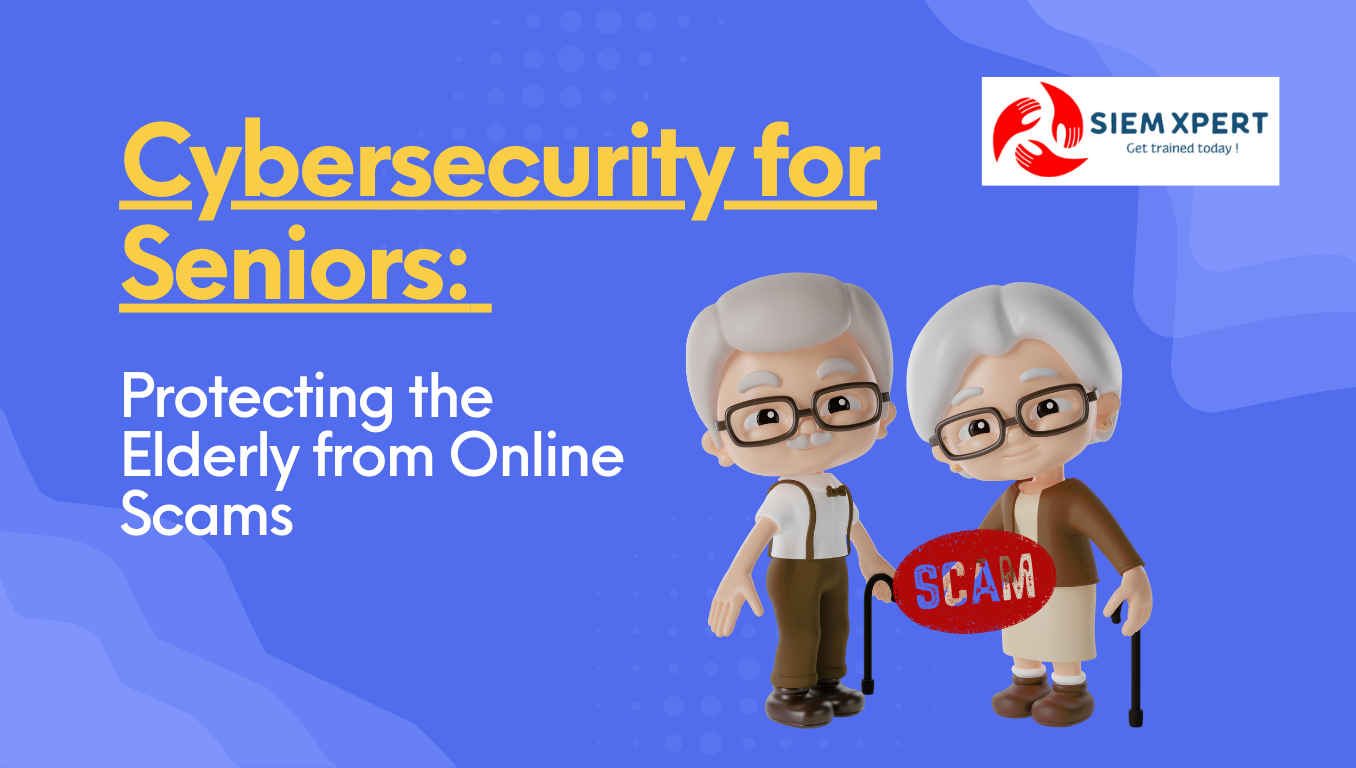
The digital age has brought about incredible opportunities and conveniences, but it has also ushered in new challenges, especially for older individuals. While many seniors are embracing technology to stay connected and access information, they can be vulnerable to online scams and cyber threats. With scams becoming increasingly sophisticated, it’s crucial for seniors to be well-informed and equipped to protect themselves in the digital realm. In this blog, we will explore the unique challenges that seniors face online and provide valuable tips and resources to help them recognize and defend against online scams.
Seniors can be particularly vulnerable to online scams for several reasons:
1. Lack of Familiarity: Many seniors did not grow up with digital technology and may not be as comfortable or familiar with online environments.
2. Trusting Nature: Older individuals may come from a generation where trust was the norm. Scammers exploit this trust to deceive and defraud.
3. Limited Tech Support: Seniors may not have the same level of tech support or assistance available as younger generations.
4. Isolation: For some seniors, especially those living alone, online interactions provide a sense of connection. Scammers exploit this by posing as friends or companions.
Seniors should be cautious about emails, text messages, or social media messages from unknown sources. Scammers often impersonate trusted entities or individuals. If something seems too good to be true or requests personal information, it’s likely a scam.
Before clicking on links or opening attachments, seniors should verify the sender’s identity. They can do this by reaching out to the alleged sender through a different means, such as calling a trusted phone number, to confirm the message’s authenticity.
Seniors should create strong, unique passwords for their online accounts. Encourage them to use a mix of upper and lower case letters, numbers, and symbols. Password managers can help keep track of these complex passwords.
Seniors should be aware of common online scams, such as phishing, lottery scams, and tech support scams. There are numerous resources available that provide information about these scams and how to avoid them.
Seniors should guard their personal information, such as Social Security numbers and financial details. They should only provide this information to trusted entities and only when necessary.
Seniors should have up-to-date antivirus software on their devices to help protect against malware and other online threats.
Staying informed about current scams and threats is essential. Seniors can sign up for newsletters from trusted cybersecurity organizations to receive updates on the latest threats.
Seniors should take advantage of the wealth of resources available to help them stay safe online:
Seniors have a right to enjoy the benefits of the digital age without falling victim to online scams. By following these tips and utilizing available resources, older individuals can protect themselves and continue to enjoy the advantages of technology while staying safe from cyber threats. It’s a collective effort to ensure that seniors are equipped with the knowledge and tools to navigate the online world securely.